

Proposal for the Revitalisation of the "Old Napier Prison"
The Old Napier Prison, established in 1861, stands as New Zealand’s oldest constitutionalised penal institution and holds a singular position in global maritime history. Our research indicates that the Napier Lighthouse, integrated into the prison in 1874, may have been the only such facility in the world maintained by prison guards rather than dedicated lighthouse keepers—a rare historical distinction that sets it apart even from Alcatraz Island in the United States. Despite the unique heritage value of this site, a recent preservation proposal was declined by Crown Property Management, leaving these historic buildings on the Napier hillside at risk.
To safeguard this legacy and rectify the 1949 demolition of the original tower, I propose constructing a replica lighthouse as a catalyst for the prison's survival. Due to past land sales by the Department of Corrections, the original site was sold and is currently occupied by a house and swimming pool; therefore, the replica would be positioned on the left side of the prison to preserve the integrity of the remaining archaeological site. Backed by extensive research and detailed cost estimates, this project aims to restore Napier’s maritime identity and ensure the long-term protection of the Heritage New Zealand Category 1 prison structures.

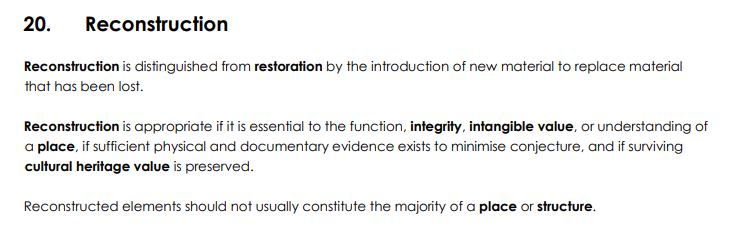
The core of this vision is a return to architectural authenticity, restoring the prison to its 1874 state—the pivotal era when the lighthouse was first integrated into the site. To achieve this, a strategic "de-cluttering" is required; modern additions made after 1949, including anachronistic offices, a private residence within the walls, and later administrative structures, would be removed to reveal the original 17-cell layout. This restoration would eliminate contemporary distractions such as gang graffiti and aluminium joinery, replacing them with period-correct copper piping, timber-framed windows, and the reconstruction of the two iconic timber domes on the roof.
While preserving the historical integrity of the 19th-century buildings, the plan intelligently retains essential modern infrastructure like toilet and shower blocks to ensure the site remains functional for visitors. To elevate the aesthetic, unsightly concrete yards will be replaced with traditional Napier limestone, mirroring the prison's original surroundings. These preliminary concepts serve as the foundation for a formal feasibility study, where experts in heritage restoration, international tourism, and commercial business will be engaged to refine the proposal and ensure it stands as a viable, world-class cultural asset for Hawke’s Bay.
The visual concept, demonstrated in accompanying Photoshop mock-ups, illustrates a fully integrated heritage complex designed to be highly visible and accessible from Marine Parade. A key initial step is environmental remediation: the removal of existing pine trees and extensive replanting with native species will not only stabilize the hillside but also enhance the view of the prison and the new lighthouse from the city and beach below. The historic 150-year-old "Footprints" track would be transformed into a safe, Department of Conservation (DOC)-style pathway with controlled access and night lighting, leading visitors directly to the attraction’s entrance at the Gothic gate.
This project can be launched with an initial "kickstart" budget of approximately $750,000. This capital would cover the construction of the lighthouse tower and dome, new sewage/toilet facilities, a small cafe, and a souvenir shop—essential infrastructure for immediate commercial operation. This phased approach is crucial: the initial tourist revenue generated from these facilities would then fund the long-term, ongoing restoration of the prison itself. To foster public engagement and support, large display signs will visualise the finished project, motivating visitors to contribute to the restoration through spending and donations. This transforms the restoration process into an evolving attraction, ensuring a sustainable, long-term maintenance model for the entire site.

The architectural vision for the project centers on a meticulous restoration to the site's 1874 configuration, the definitive era when the lighthouse was first integrated with the prison. To achieve this, a strategic "de-cluttering" process will remove post-1949 additions—including modern offices, a small private residence within the walls, and unsightly concrete yards—to reveal the original 17-cell layout. Historical integrity will be prioritised by replacing modern aluminium joinery with period-accurate timber windows, reinstating copper piping, and reconstructing the two signature timber domes on the roof. While all gang-related graffiti and paintings will be removed to restore the site's dignity, essential modern infrastructure like toilet and shower blocks will be retained to ensure the facility is functional for contemporary visitors.
By stripping back these modern layers, the prison will once again showcase the Heritage New Zealand Category 1 architecture that makes it a national treasure. The replacement of concrete with traditional Napier Limestone will further ground the complex in its local geological and historical context. To transition these initial concepts into a reality, a comprehensive feasibility study is proposed, bringing together specialists in heritage restoration, Tourism New Zealand standards, and commercial business planning to ensure the project is both culturally significant and economically sustainable.

Establishing a replica lighthouse as a premier Napier tourist attraction provides a sustainable revenue model to fund the prison’s ongoing maintenance. The success of the Manukau Heads Lighthouse—which draws 60,000 annual visitors despite its remote two-hour drive from Auckland—serves as a compelling precedent. Given its prime location within walking distance of the Napier city centre, this complex is projected to attract up to 150,000 visitors annually. These guests will be drawn by the panoramic vistas of the Port of Napier, the city skyline, and the dramatic coastline toward Cape Kidnappers.
The proposed site layout, visualised through Photoshop mock-ups, replaces the current dense overgrowth with an accessible heritage precinct. By clearing invasive trees, the site opens up 360-degree views of Hawke’s Bay, significantly increasing the site’s visual appeal. The visitor experience is further enhanced by a garden cafe for refreshments, a dedicated souvenir shop, and the opportunity to explore the historic prison cells. This multifaceted destination ensures high dwell time and diverse spending opportunities, transforming the neglected hillside into a vibrant, self-supporting landmark for the region.

The restoration project offers a unique opportunity to revitalise the adjacent Centennial Gardens and its iconic waterfall, which currently suffer from low visitation. By establishing the lighthouse replica on the hillside above, the site becomes a natural vantage point where tourists can appreciate the waterfall and the historic limestone mine from a perspective previously inaccessible to the public. This mine is a fundamental chapter of the prison’s narrative, and its integration into the tour allows for a more comprehensive storytelling experience regarding the labour and materials that built early Napier.
By creating a direct link between the prison, the lighthouse, and the gardens, we create a cohesive heritage circuit that encourages visitors to explore the entire hillside. This increased foot traffic will breathe new life into these underutilised Napier public spaces, ensuring that the story of the limestone mine and its connection to the penal colony is preserved for future generations. The synergy between these sites transforms a series of isolated landmarks into a unified destination, maximising the utility and historical impact of the entire precinct.

The transformation of the Old Napier Prison into a multifaceted maritime and penal museum holds immense potential as a premier venue for educational school trips, unique heritage accommodation, and private functions. While the prison provides the historical depth, the replica lighthouse serves as the vital "hero attraction"—an iconic landmark with universal appeal that acts as the primary drawcard for visitors. Crucially, the site already benefits from existing infrastructure, including established parking on Marine Parade and Coote Road at the Centennial Gardens, which can readily accommodate increased visitor numbers without significant new development.
A fundamental obstacle to the site’s past commercial success has been its lack of visibility; the current dense tree growth obscures the prison from the road, a mistake not present in 1878 when the hillside was clear and the lighthouse stood as a prominent beacon. Restoring this visibility by removing obstructive trees and reconstructing the lighthouse will grant the business the essential exposure needed to attract passing traffic. By repairing the historic track and replacing invasive pines with native bush, we create a scenic heritage walk that invites native birdlife back to the city while establishing a new, self-sustaining landmark. Ultimately, a single 30-square-metre structure—the lighthouse—could be the catalyst that generates the foot traffic necessary to preserve this irreplaceable Category 1 heritage site for the future.

The 120-year-old limestone retaining wall bordering Marine Parade and Coote Road, hand-built by prisoners, currently suffers from an alarming rate of erosion. While a professional assessment by Auckland Limestone Works estimated repair costs at nearly $1 million, we believe a community-driven approach using skilled volunteers could significantly reduce this financial burden. While the wall restoration is a critical long-term goal for preserving Napier's colonial infrastructure, the immediate priority is the removal of the invasive pine trees. These mature trees exert immense root pressure against the historic limestone, and failing to act now will lead to a structural "blow out," exponentially increasing the eventual cost of repair and risking the total loss of this heritage asset.
By prioritising the removal of these trees, we address the primary cause of the wall's degradation and eliminate a significant public safety hazard. Once the hillside is stabilised and the lighthouse project begins generating revenue, the wall can be addressed through a phased restoration plan. This strategy ensures that limited initial funds are directed toward the most urgent threats, while the long-term preservation of the wall remains a cornerstone of the Old Napier Prison revitalisation.
The 120-year-old pine trees on the hillside above Marine Parade represent a critical safety and heritage concern. Their root systems are actively compromising the integrity of the historic limestone retaining wall, built by prisoners in the early 1900s, and they pose an immediate risk of windthrow onto the public thoroughfare below. Critical Risks and Barriers

Heritage Integration: The Lyttelton Fresnel Lens
A critical component of the lighthouse replica is the installation of an authentic, period-accurate optic. We recommend securing the 1879 Chance Brothers 4th Order Fresnel Lens from Lyttelton on a long-term loan from Maritime New Zealand (MNZ). This lens is of a similar vintage and nearly identical in craftsmanship to the original 1874 Napier lantern. While the Napier original was a 180-degree light, the Lyttelton lens provides a 360-degree beam. To ensure this does not disturb local residents, the rear glass of the dome can be effectively screened or painted, directed light away from surrounding homes while maintaining the lighthouse's iconic glow toward the bay.

Currently held in the MNZ inventory and not on public display, this lens is arguably the most prestigious Fresnel lens in the country. Integrating such a high-value maritime artifact would instantly elevate the project's status, transforming the replica from a mere structure into a legitimate historical exhibit. Preliminary discussions with Maritime New Zealand have been positive; they have indicated a willingness to discuss the loan and have suggested other suitable lenses could be rotated through the site. This partnership ensures that until the original Napier lens or a specific 180-degree Chance Brothers lens is recovered, the site remains a world-class maritime heritage destination. https://www.teuaka.org.nz/stories/whare-built-heritage/the-return-of-the-lighthouse To ensure this proposal receives a fair and comprehensive evaluation, it should be positioned as a strategic regional investment that aligns with current government priorities for heritage preservation and economic growth. The project transitions a "neglected hillside" into a self-sustaining asset, moving the burden of maintenance from the Crown to a viable tourism model.
The Case for Government Support
The New Zealand Government, through agencies like Kānoa – Regional Economic Development & Investment Unit, frequently supports "shovel-ready" tourism projects that enhance regional identity. This proposal qualifies by:
Independent Review and Feasibility
To receive unbiased feedback I recommended to Heritage New Zealand submitting this proposal to a panel of independent experts. Key bodies for review include:
Next Steps for Action
The current state of the site is one of "slow degradation," but the combination of the $750,000 kickstart budget and the high-value loan of the Fresnel lens makes this a highly actionable proposal. By clearing the "biased" hurdles and focusing on the immediate safety risks (the trees) and the unique maritime story (the guard-maintained light), the project can gain the momentum needed to secure public funding.

"The former prison has outstanding historical significance for reflecting the early development of New Zealand’s penal system and is the most complete example of a purpose-built prison from the provincial government era (1853-1876). It is of further special historical significance for including one of New Zealand’s earliest lunatic asylums. Its special aesthetic qualities and completeness, authenticity and integrity make it one of our key heritage sites for educating the public about the development of New Zealand’s penal system.” https://www.heritage.org.nz/list-details/181/Napier-Prison-Former
The two Quotes below are about the repair of the 150-year old historic walk and removing all the pine trees from the property, something that needs to be done if the replica lighthouse is put there or not.
Bluff Hill Lighthouse LTD

The Old Napier Prison, established in 1861, stands as New Zealand’s oldest constitutionalised penal institution and holds a singular position in global maritime history. Our research indicates that the Napier Lighthouse, integrated into the prison in 1874, may have been the only such facility in the world maintained by prison guards rather than dedicated lighthouse keepers—a rare historical distinction that sets it apart even from Alcatraz Island in the United States. Despite the unique heritage value of this site, a recent preservation proposal was declined by Crown Property Management, leaving these historic buildings on the Napier hillside at risk.
To safeguard this legacy and rectify the 1949 demolition of the original tower, I propose constructing a replica lighthouse as a catalyst for the prison's survival. Due to past land sales by the Department of Corrections, the original site was sold and is currently occupied by a house and swimming pool; therefore, the replica would be positioned on the left side of the prison to preserve the integrity of the remaining archaeological site. Backed by extensive research and detailed cost estimates, this project aims to restore Napier’s maritime identity and ensure the long-term protection of the Heritage New Zealand Category 1 prison structures.
The core of this vision is a return to architectural authenticity, restoring the prison to its 1874 state—the pivotal era when the lighthouse was first integrated into the site. To achieve this, a strategic "de-cluttering" is required; modern additions made after 1949, including anachronistic offices, a private residence within the walls, and later administrative structures, would be removed to reveal the original 17-cell layout. This restoration would eliminate contemporary distractions such as gang graffiti and aluminium joinery, replacing them with period-correct copper piping, timber-framed windows, and the reconstruction of the two iconic timber domes on the roof.
While preserving the historical integrity of the 19th-century buildings, the plan intelligently retains essential modern infrastructure like toilet and shower blocks to ensure the site remains functional for visitors. To elevate the aesthetic, unsightly concrete yards will be replaced with traditional Napier limestone, mirroring the prison's original surroundings. These preliminary concepts serve as the foundation for a formal feasibility study, where experts in heritage restoration, international tourism, and commercial business will be engaged to refine the proposal and ensure it stands as a viable, world-class cultural asset for Hawke’s Bay.
The visual concept, demonstrated in accompanying Photoshop mock-ups, illustrates a fully integrated heritage complex designed to be highly visible and accessible from Marine Parade. A key initial step is environmental remediation: the removal of existing pine trees and extensive replanting with native species will not only stabilize the hillside but also enhance the view of the prison and the new lighthouse from the city and beach below. The historic 150-year-old "Footprints" track would be transformed into a safe, Department of Conservation (DOC)-style pathway with controlled access and night lighting, leading visitors directly to the attraction’s entrance at the Gothic gate.
This project can be launched with an initial "kickstart" budget of approximately $750,000. This capital would cover the construction of the lighthouse tower and dome, new sewage/toilet facilities, a small cafe, and a souvenir shop—essential infrastructure for immediate commercial operation. This phased approach is crucial: the initial tourist revenue generated from these facilities would then fund the long-term, ongoing restoration of the prison itself. To foster public engagement and support, large display signs will visualise the finished project, motivating visitors to contribute to the restoration through spending and donations. This transforms the restoration process into an evolving attraction, ensuring a sustainable, long-term maintenance model for the entire site.
The architectural vision for the project centers on a meticulous restoration to the site's 1874 configuration, the definitive era when the lighthouse was first integrated with the prison. To achieve this, a strategic "de-cluttering" process will remove post-1949 additions—including modern offices, a small private residence within the walls, and unsightly concrete yards—to reveal the original 17-cell layout. Historical integrity will be prioritised by replacing modern aluminium joinery with period-accurate timber windows, reinstating copper piping, and reconstructing the two signature timber domes on the roof. While all gang-related graffiti and paintings will be removed to restore the site's dignity, essential modern infrastructure like toilet and shower blocks will be retained to ensure the facility is functional for contemporary visitors.
By stripping back these modern layers, the prison will once again showcase the Heritage New Zealand Category 1 architecture that makes it a national treasure. The replacement of concrete with traditional Napier Limestone will further ground the complex in its local geological and historical context. To transition these initial concepts into a reality, a comprehensive feasibility study is proposed, bringing together specialists in heritage restoration, Tourism New Zealand standards, and commercial business planning to ensure the project is both culturally significant and economically sustainable.
Establishing a replica lighthouse as a premier Napier tourist attraction provides a sustainable revenue model to fund the prison’s ongoing maintenance. The success of the Manukau Heads Lighthouse—which draws 60,000 annual visitors despite its remote two-hour drive from Auckland—serves as a compelling precedent. Given its prime location within walking distance of the Napier city centre, this complex is projected to attract up to 150,000 visitors annually. These guests will be drawn by the panoramic vistas of the Port of Napier, the city skyline, and the dramatic coastline toward Cape Kidnappers.
The proposed site layout, visualised through Photoshop mock-ups, replaces the current dense overgrowth with an accessible heritage precinct. By clearing invasive trees, the site opens up 360-degree views of Hawke’s Bay, significantly increasing the site’s visual appeal. The visitor experience is further enhanced by a garden cafe for refreshments, a dedicated souvenir shop, and the opportunity to explore the historic prison cells. This multifaceted destination ensures high dwell time and diverse spending opportunities, transforming the neglected hillside into a vibrant, self-supporting landmark for the region.
The restoration project offers a unique opportunity to revitalise the adjacent Centennial Gardens and its iconic waterfall, which currently suffer from low visitation. By establishing the lighthouse replica on the hillside above, the site becomes a natural vantage point where tourists can appreciate the waterfall and the historic limestone mine from a perspective previously inaccessible to the public. This mine is a fundamental chapter of the prison’s narrative, and its integration into the tour allows for a more comprehensive storytelling experience regarding the labour and materials that built early Napier.
By creating a direct link between the prison, the lighthouse, and the gardens, we create a cohesive heritage circuit that encourages visitors to explore the entire hillside. This increased foot traffic will breathe new life into these underutilised Napier public spaces, ensuring that the story of the limestone mine and its connection to the penal colony is preserved for future generations. The synergy between these sites transforms a series of isolated landmarks into a unified destination, maximising the utility and historical impact of the entire precinct.
The transformation of the Old Napier Prison into a multifaceted maritime and penal museum holds immense potential as a premier venue for educational school trips, unique heritage accommodation, and private functions. While the prison provides the historical depth, the replica lighthouse serves as the vital "hero attraction"—an iconic landmark with universal appeal that acts as the primary drawcard for visitors. Crucially, the site already benefits from existing infrastructure, including established parking on Marine Parade and Coote Road at the Centennial Gardens, which can readily accommodate increased visitor numbers without significant new development.
A fundamental obstacle to the site’s past commercial success has been its lack of visibility; the current dense tree growth obscures the prison from the road, a mistake not present in 1878 when the hillside was clear and the lighthouse stood as a prominent beacon. Restoring this visibility by removing obstructive trees and reconstructing the lighthouse will grant the business the essential exposure needed to attract passing traffic. By repairing the historic track and replacing invasive pines with native bush, we create a scenic heritage walk that invites native birdlife back to the city while establishing a new, self-sustaining landmark. Ultimately, a single 30-square-metre structure—the lighthouse—could be the catalyst that generates the foot traffic necessary to preserve this irreplaceable Category 1 heritage site for the future.
The 120-year-old limestone retaining wall bordering Marine Parade and Coote Road, hand-built by prisoners, currently suffers from an alarming rate of erosion. While a professional assessment by Auckland Limestone Works estimated repair costs at nearly $1 million, we believe a community-driven approach using skilled volunteers could significantly reduce this financial burden. While the wall restoration is a critical long-term goal for preserving Napier's colonial infrastructure, the immediate priority is the removal of the invasive pine trees. These mature trees exert immense root pressure against the historic limestone, and failing to act now will lead to a structural "blow out," exponentially increasing the eventual cost of repair and risking the total loss of this heritage asset.
By prioritising the removal of these trees, we address the primary cause of the wall's degradation and eliminate a significant public safety hazard. Once the hillside is stabilised and the lighthouse project begins generating revenue, the wall can be addressed through a phased restoration plan. This strategy ensures that limited initial funds are directed toward the most urgent threats, while the long-term preservation of the wall remains a cornerstone of the Old Napier Prison revitalisation.
The 120-year-old pine trees on the hillside above Marine Parade represent a critical safety and heritage concern. Their root systems are actively compromising the integrity of the historic limestone retaining wall, built by prisoners in the early 1900s, and they pose an immediate risk of windthrow onto the public thoroughfare below. Critical Risks and Barriers
- Structural Damage: The expansion of mature roots is creating pressure that threatens to "blow out" sections of the heritage-listed wall. This wall is already identified as an earthquake risk requiring strengthening.
- Public Safety: Leaning trees that have surpassed their natural lifespan are susceptible to uprooting during storms, potentially impacting vehicles and pedestrians on Marine Parade.
- Jurisdictional Deadlock: While Napier City Council manages the road and general city trees, Toitū Te Whenua (LINZ) is the Crown agency currently responsible for the former prison site and its boundaries.
Heritage Integration: The Lyttelton Fresnel Lens
A critical component of the lighthouse replica is the installation of an authentic, period-accurate optic. We recommend securing the 1879 Chance Brothers 4th Order Fresnel Lens from Lyttelton on a long-term loan from Maritime New Zealand (MNZ). This lens is of a similar vintage and nearly identical in craftsmanship to the original 1874 Napier lantern. While the Napier original was a 180-degree light, the Lyttelton lens provides a 360-degree beam. To ensure this does not disturb local residents, the rear glass of the dome can be effectively screened or painted, directed light away from surrounding homes while maintaining the lighthouse's iconic glow toward the bay.
Currently held in the MNZ inventory and not on public display, this lens is arguably the most prestigious Fresnel lens in the country. Integrating such a high-value maritime artifact would instantly elevate the project's status, transforming the replica from a mere structure into a legitimate historical exhibit. Preliminary discussions with Maritime New Zealand have been positive; they have indicated a willingness to discuss the loan and have suggested other suitable lenses could be rotated through the site. This partnership ensures that until the original Napier lens or a specific 180-degree Chance Brothers lens is recovered, the site remains a world-class maritime heritage destination. https://www.teuaka.org.nz/stories/whare-built-heritage/the-return-of-the-lighthouse To ensure this proposal receives a fair and comprehensive evaluation, it should be positioned as a strategic regional investment that aligns with current government priorities for heritage preservation and economic growth. The project transitions a "neglected hillside" into a self-sustaining asset, moving the burden of maintenance from the Crown to a viable tourism model.
The Case for Government Support
The New Zealand Government, through agencies like Kānoa – Regional Economic Development & Investment Unit, frequently supports "shovel-ready" tourism projects that enhance regional identity. This proposal qualifies by:
- Preserving Constitutional History: Saving New Zealand’s oldest prison, a Category 1 heritage site, from terminal degradation.
- Creating Economic Resilience: Generating an estimated 150,000 annual visits to Napier, supporting local hospitality and retail.
- Solving Crown Liability: Addressing the deteriorating limestone walls and hazardous 120-year-old pine trees that currently pose a significant risk to Land Information New Zealand (LINZ) and the public.
Independent Review and Feasibility
To receive unbiased feedback I recommended to Heritage New Zealand submitting this proposal to a panel of independent experts. Key bodies for review include:
- Heritage New Zealand Pouhere Taonga: To assess the restoration accuracy and the impact of the replica lighthouse on the historic prison fabric.
- Tourism Hawke’s Bay: To provide data-driven feedback on the projected 150,000 visitor count and the commercial viability of the cafe and gift shop.
- Maritime New Zealand: To formalise the technical requirements for housing the Lyttelton Fresnel Lens and ensuring the light meets modern standards.
- Local Iwi (Ahuriri Hapū): To ensure the project respects the cultural significance of the land and integrates Māori narratives into the site's maritime history.
Next Steps for Action
The current state of the site is one of "slow degradation," but the combination of the $750,000 kickstart budget and the high-value loan of the Fresnel lens makes this a highly actionable proposal. By clearing the "biased" hurdles and focusing on the immediate safety risks (the trees) and the unique maritime story (the guard-maintained light), the project can gain the momentum needed to secure public funding.
"The former prison has outstanding historical significance for reflecting the early development of New Zealand’s penal system and is the most complete example of a purpose-built prison from the provincial government era (1853-1876). It is of further special historical significance for including one of New Zealand’s earliest lunatic asylums. Its special aesthetic qualities and completeness, authenticity and integrity make it one of our key heritage sites for educating the public about the development of New Zealand’s penal system.” https://www.heritage.org.nz/list-details/181/Napier-Prison-Former
The two Quotes below are about the repair of the 150-year old historic walk and removing all the pine trees from the property, something that needs to be done if the replica lighthouse is put there or not.
Bluff Hill Lighthouse LTD